

fbpx

Wilma Rudolf: From Polio to Olympic Gold
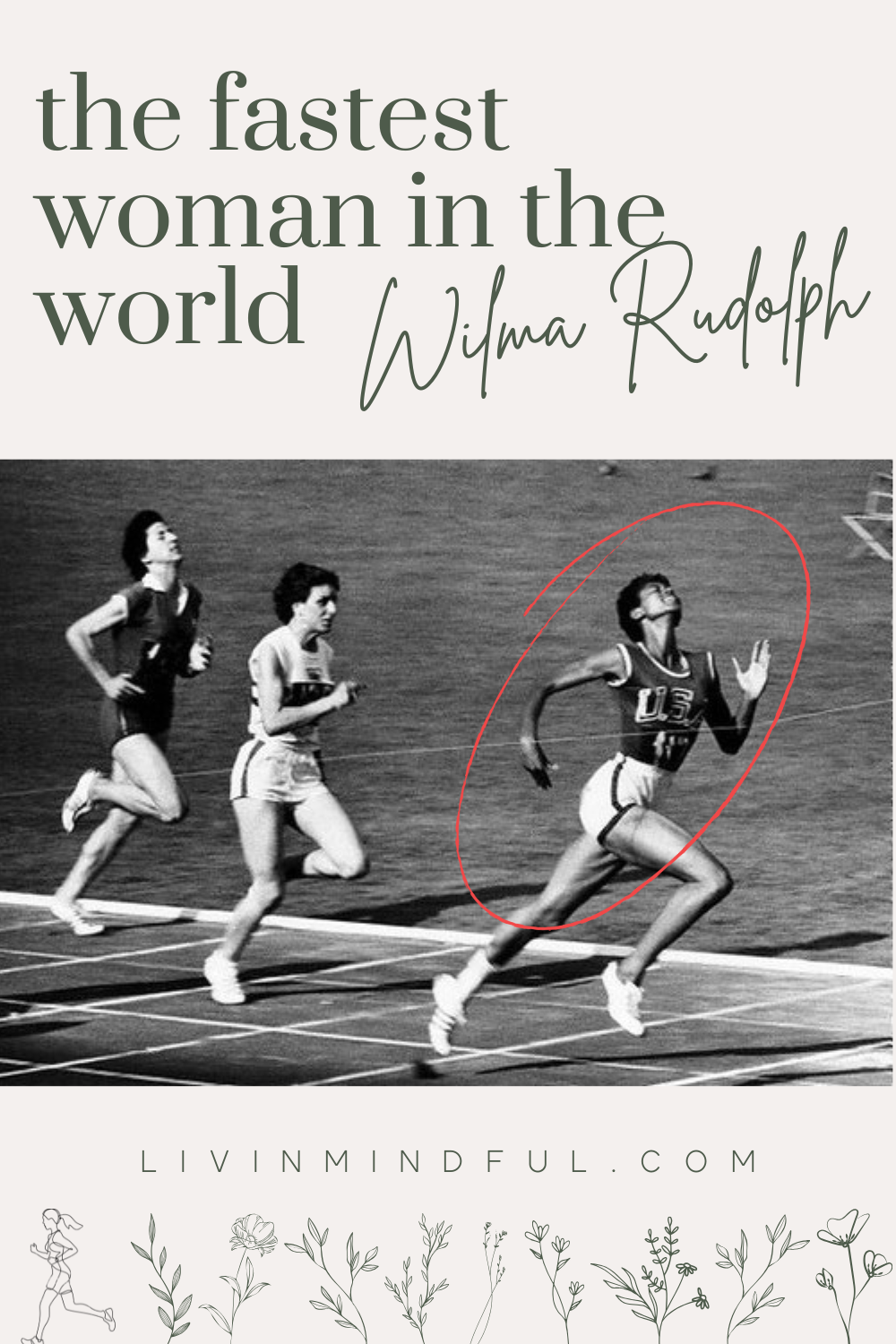
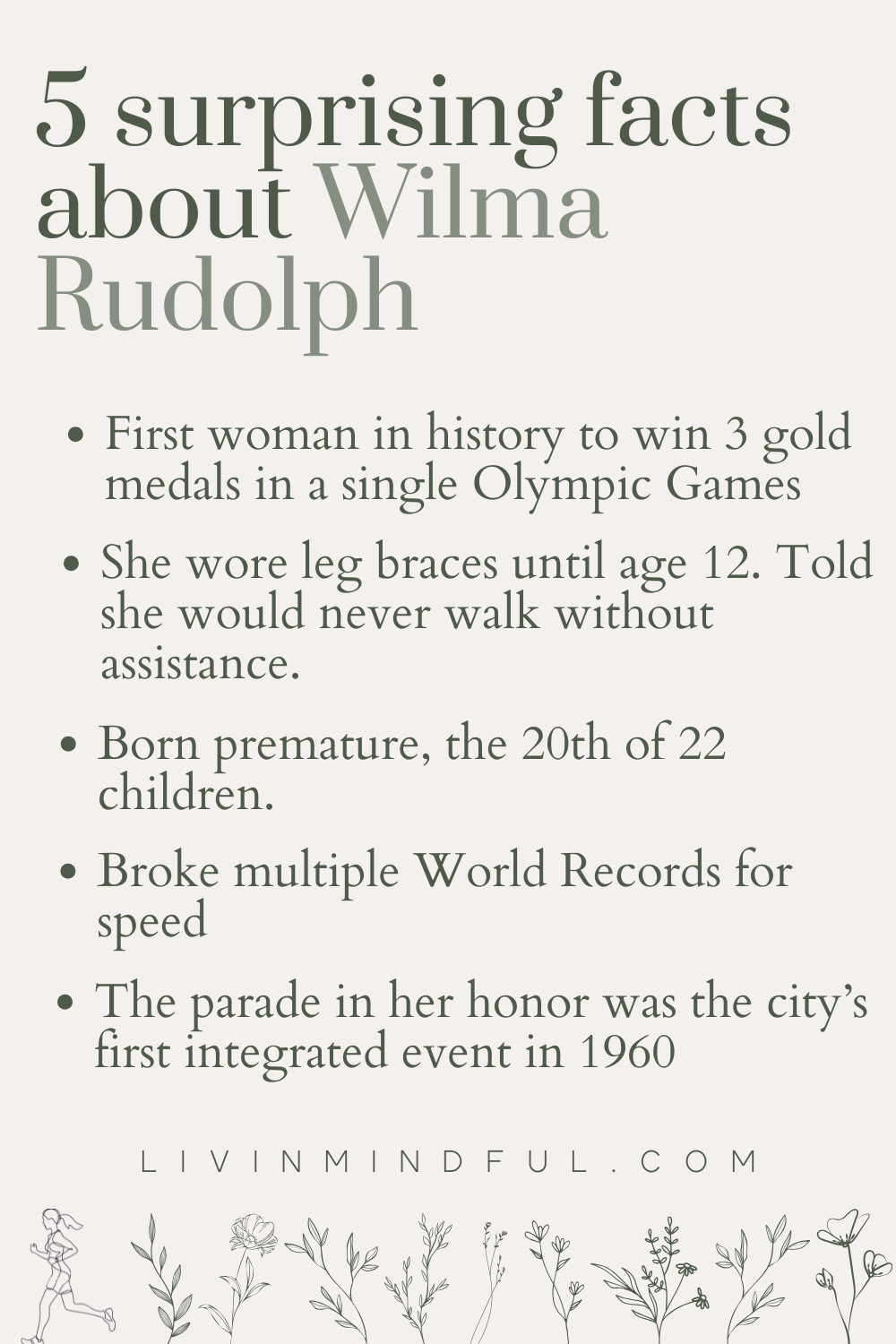
Wilma Rudolph (June 23, 1940 – November 12, 1994) wasn’t supposed to become an Olympic champion. In fact, doctors told her family she would never walk. Undeterred by limitations due to polio and racial discrimination, Wilma worked her way to the highest level of track and field. At the Olympic Games in Rome, 1960, she became the first woman ever to win three gold medals in a single Olympic Games, launching her to international fame. She went from being a girl with leg braces to the fastest woman in the world, proving that determination and belief in yourself can take you farther than anyone thinks possible.

Wilma's Early Years

Wilma was born prematurely in 1940 in St. Bethlehem, Tennessee (now part of Clarksville), as the twentieth of twenty-two children. Growing up poor in the segregated South, she faced more challenges before her fifth birthday than most people do a lifetime. Wilma battled scarlet fever, pneumonia, and eventually polio, which left her with a weakened left leg. Doctors told her family she would never walk without assistance. Fortunately, nobody bothered to tell Wilma what she couldn’t do. With the support of her family, regular therapy, and a stubborn determination to prove the experts wrong, she wore a leg brace until age twelve before finally walking on her own.
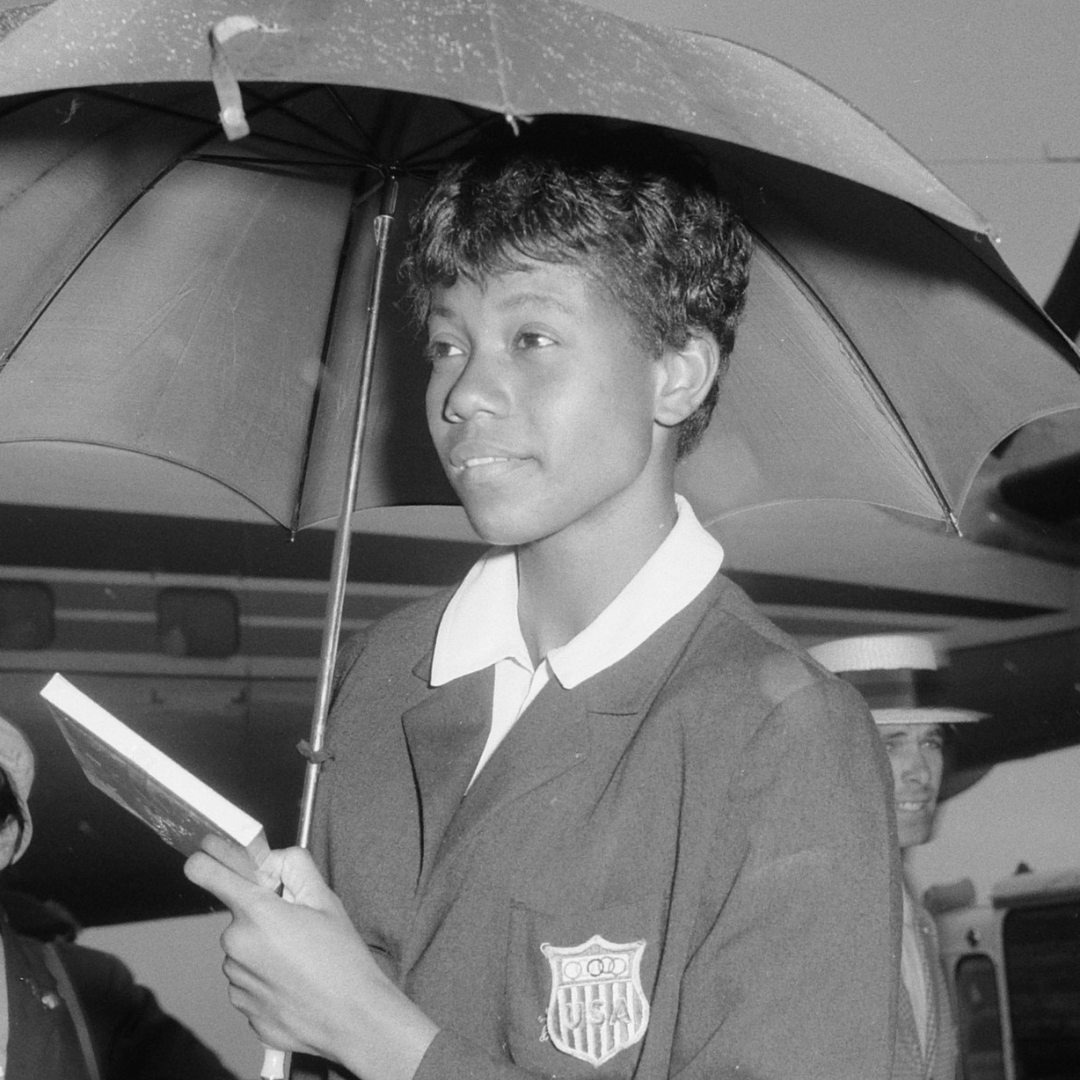
Once Wilma discovered sports, nothing could slow her down. She excelled at basketball, earning the nickname “Skeeter” for her speed. This caught the attention of legendary track coach Ed Temple. By sixteen, she had qualified for the 1956 Olympics in Melbourne, Australia, becoming the youngest American athlete on the team. She won the bronze medal in the 400-meter relay. Not too shabby for a girl who was never supposed to walk. After graduating high school, Wilma enrolled at Tennessee State University, training relentlessly to prepare for the 1960 Olympic Games.

Rome 1960: The Olympics

The 1960 Summer Olympics in Rome changed Wilma’s life forever. Now a sophomore in college, she arrived ready to compete against the fastest women in the world with eyes on the gold. Months earlier, she had set a record in the 200-meter dash at a college in Abilene, TX which held for eight years, proving she was a force to be reckoned with.

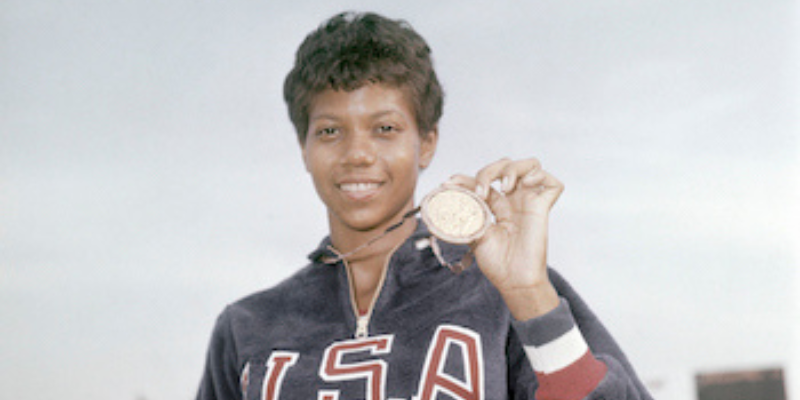
Wilma competed in the 100-meter sprint, 200-meter sprint, and 400-meter relay, winning gold in all three events. She set an Olympic record in the 200-meter dash and helped her relay team set a world record of 44.4 seconds. At just 20 years old, Wilma became the first woman ever to win three gold medals in a single Olympic Games, dubbing her the fastest woman in the world. She set the ultimate example for women and people of color in segregated America.

Later Life & Legacy

After the Olympics and a successful European tour, Wilma returned home to Clarksville as a national hero. The city celebrated October 4th as ‘Welcome Wilma Day’ in her honor. The only problem? Events were segregated. Wilma refused to participate unless everyone was welcome. Thanks to her insistence, the celebration became the first fully integrated public event in the city’s history.
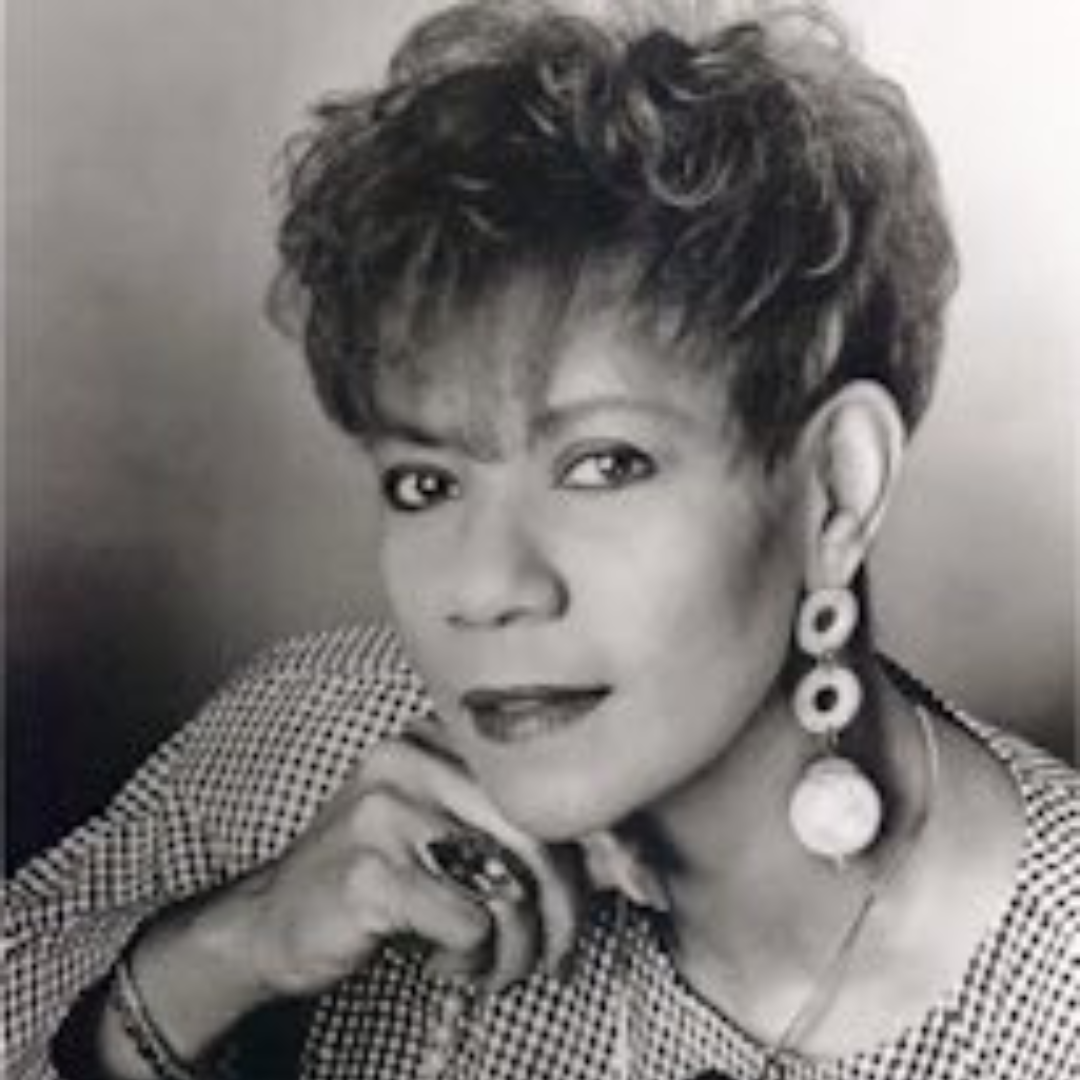
Wilma continued racing for a couple more years, setting more world records, before retiring from competition. She completed her degree in elementary education at Tennessee State University and remained active in the Civil Rights Movement, pushing to desegregate businesses and public facilities in her hometown. Throughout her life, she worked as a teacher, coach, author, and mentor, helping young athletes chase their dreams.

In 1981, she established the Wilma Rudolph Foundation to support aspiring athletes. When Wilma passed away from cancer in 1994, thousands attended her memorial service and the Tennessee state flag flew at half-mast in her honor. The courage and determination of one young black woman will serve as inspiration for generations to come.

Share this post

Start typing and press Enter to search

Shopping Cart

No products in the cart.