

fbpx

The Mother of Modern Nursing
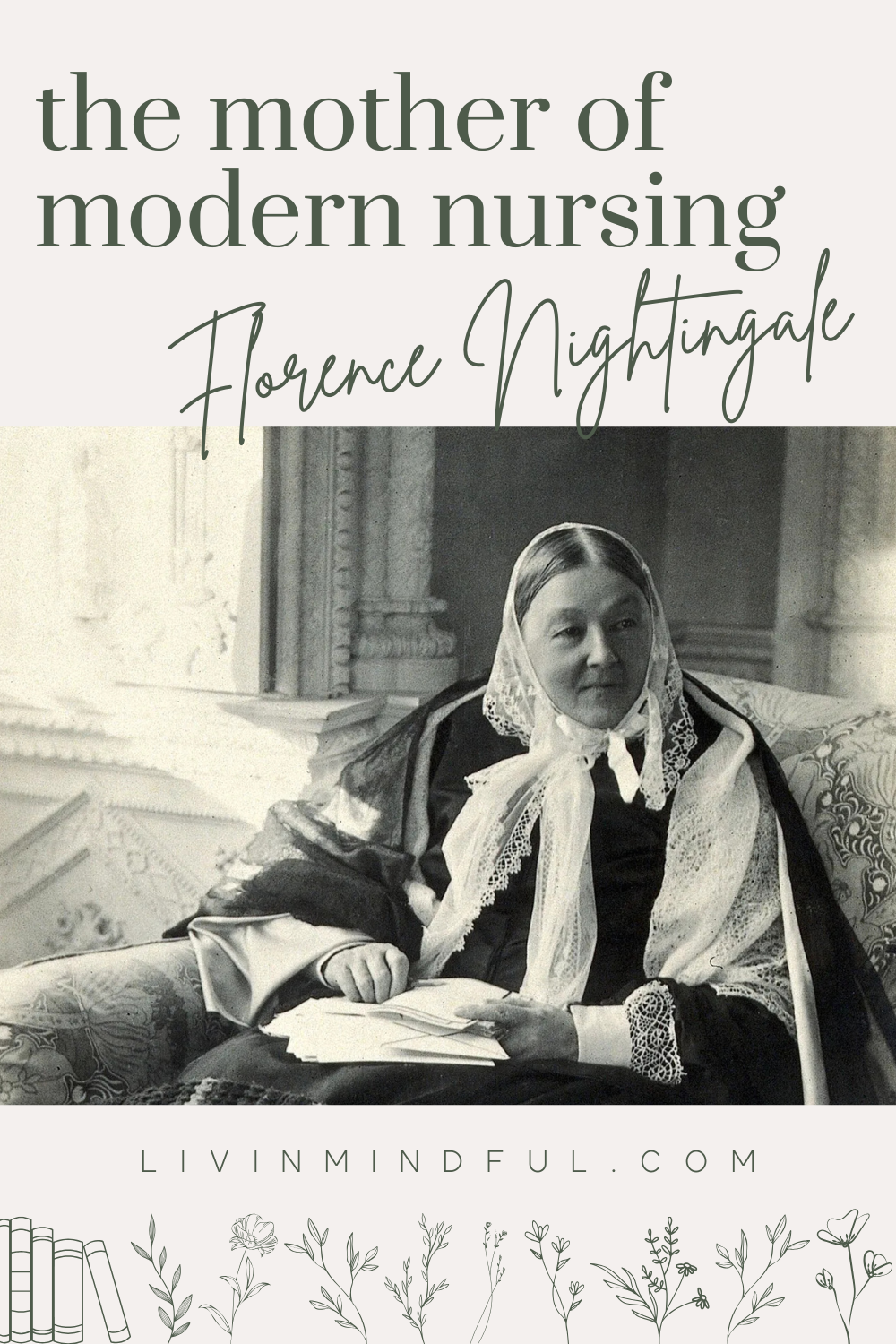
Florence Nightingale (May 12, 1820 – August 13, 1910), known as The Lady with the Lamp, wasn’t the kind of woman to accept “that’s just how things are done” as an answer. During the Crimean War, she realized soldiers were dying from unsanitary conditions at an alarming rate and decided something needed to be done. She used data, determination, and a healthy disregard for the status quo to improve hospital conditions and save lives. In the process, she helped create the nursing profession we know today.

Florence's Early Years

Florence was born in Italy to a wealthy and well-connected British family before being raised on her family’s estate in Derbyshire, England. Her father was unusually progressive for the era and believed his daughters deserved an education. He taught them history, mathematics, philosophy, languages, and more. While both sisters were intelligent, Florence possessed a particular talent for data analysis and academics. This skill that would later help her save countless lives.
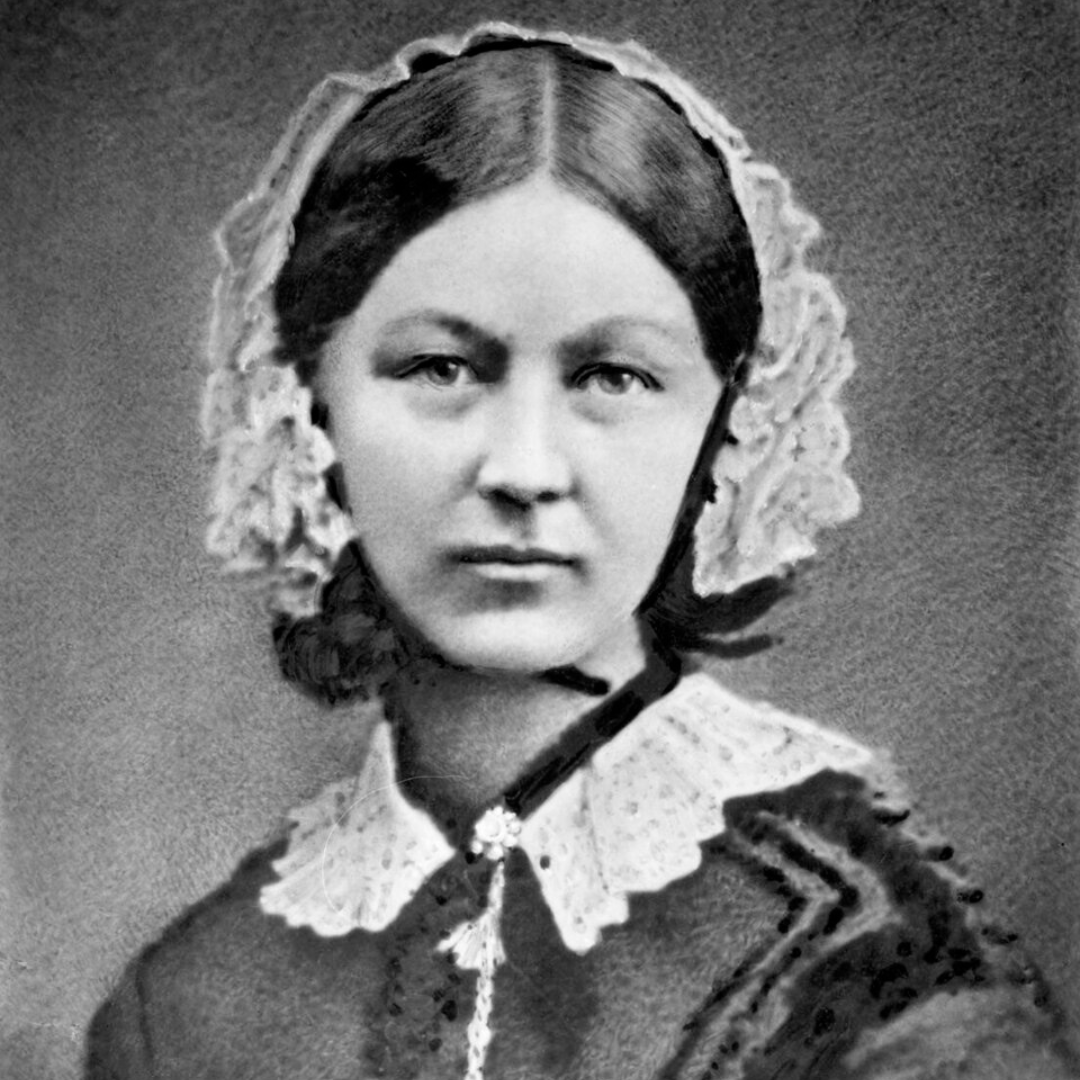
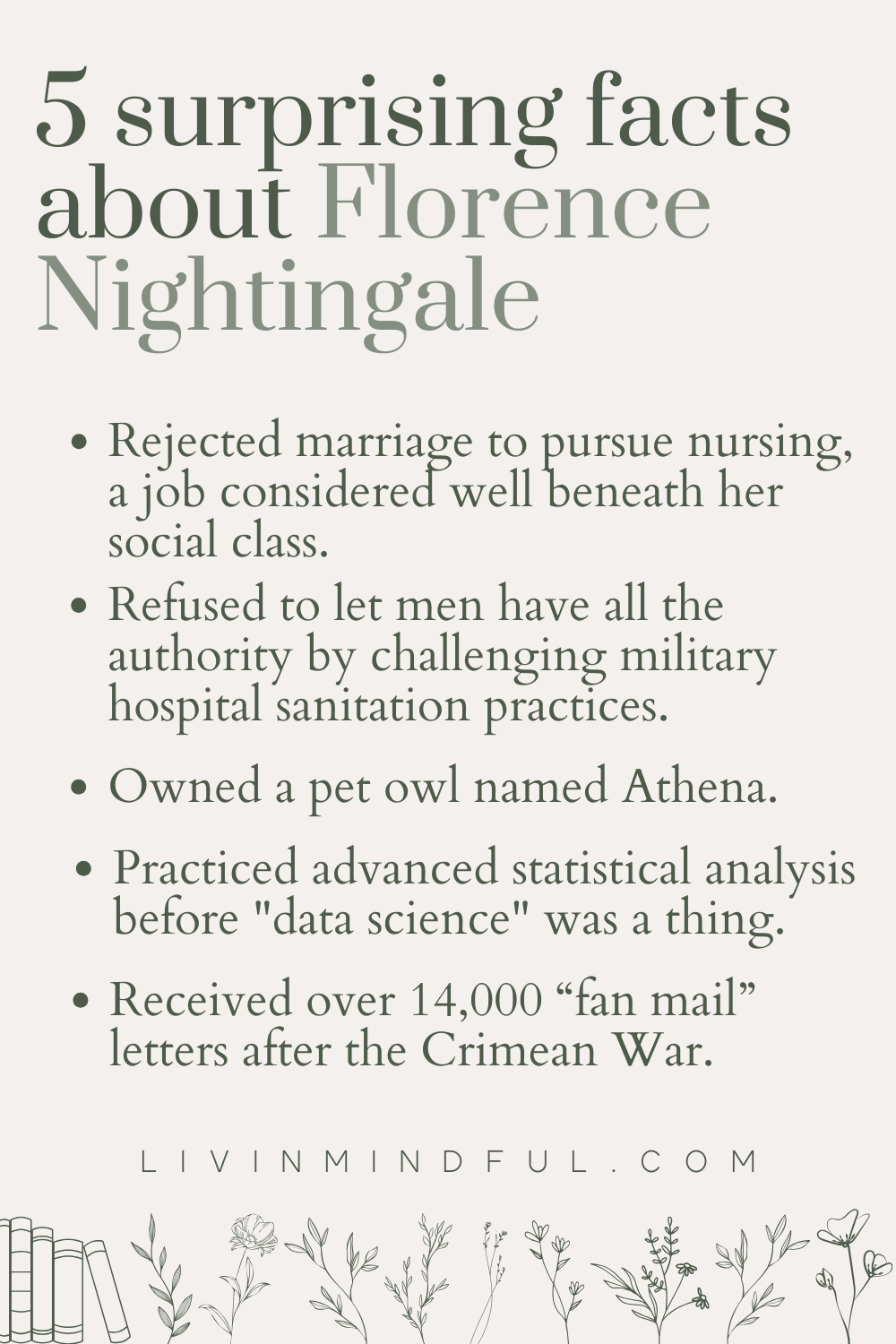
From an early age, Florence felt drawn to caring for others and frequently visited the poor and sick in the nearby village. By sixteen, she was convinced nursing was her calling. Unfortunately, her family had other expectations. As members of the Victorian upper class, Florence was supposed to marry well and maintain her social standing, not pursue a profession considered beneath her station. Florence disagreed. She turned down a marriage proposal, ignored society’s expectations, and enrolled as a nursing student in Germany. After returning to London, she quickly discovered that poor sanitation often caused as much harm as illness and injury. By improving hygiene practices during a cholera outbreak, she successfully reduced the hospital’s death rate. This was only a preview of more to come.

The Crimean War

The Crimean War began in 1853, pitting Britain, France, the Ottoman Empire, and Sardinia against Russia. By 1854, conditions for wounded soldiers were so appalling that Florence and a team of more than 30 volunteer nurses were sent to help. Upon arrival, they found overcrowded wards, contaminated water, poor ventilation, inadequate supplies, and little regard for hygiene. Disease was claiming more lives than the battlefield itself.

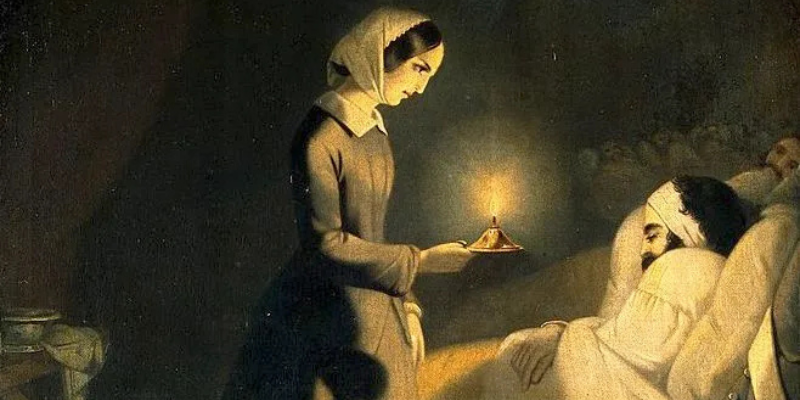
Florence got to work. Proper sewage disposal was implemented, sanitation standards improved, laundry facilities were established, and a separate kitchen was created to prepare food safely. Through a combination of determination, organization, and an unwillingness to tolerate preventable suffering, she helped dramatically reduce the hospital’s death rate. At night, Florence made rounds carrying a lamp, checking on patients and offering comfort to the wounded. Her tireless efforts and compassion earned her the nickname that would follow her for the rest of her life: The Lady with the Lamp.

Later Work & Legacy

Most people would have considered reducing hospital death rates during a war a lifetime achievement. But Florence was not most people. Drawing on the data she collected during the Crimean War, she authored an 800-page report exposing the poor conditions in military hospitals. Her findings helped establish the Royal Commission for the Health of the Army and pushed healthcare reform even further. Florence’s innovative method of displaying statistical data, known today as the Nightingale Rose Diagram, clearly illustrated how improved sanitation practices reduced death rates and helped convince others that change was necessary.
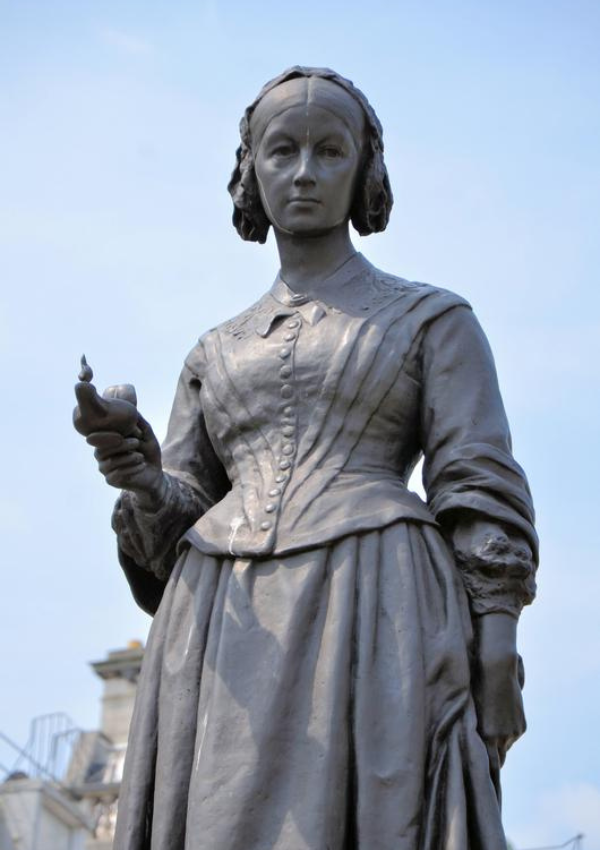
In 1855, supporters raised money to establish the Florence Nightingale Fund. The money helped create the first formal nursing school at St. Thomas’ Hospital in London in 1860. Today the school is called the Florence Nightingale School of Nursing and Midwifery and is part of King’s College London. Even after contracting Crimean Fever and becoming largely bedridden by the age of 38, Florence refused to slow down. She continued writing, advocating for global healthcare reform, and improving nursing education around the world. Her book, Notes on Nursing, became a foundational text for generations of nurses and ensured her impact would be felt far beyond her own lifetime.

Share this post

Start typing and press Enter to search

Shopping Cart

No products in the cart.